Post 2
CARE
Pruning:
For taller varieties that you’d like to use for cut flowers, Floret Flower Farms recommends snipping out the center flower when the plants are about 18 inches tall, and although it “feels pretty counterintuitive at the time, it will encourage plants to begin branching low and ultimately produce much longer stems.” Spent blooms should be deadheaded to encourage and prolong further flowering.
Soil:
While zinnias aren’t particularly picky about their soil, they do prefer it to be fertile, humus-rich, well-drained and with a pH of 5.5 to 7.5.
Amendments & Fertilizer:
Add compost to the area where zinnias will be planted to enrich the soil. An occasional light dose of a well-balanced fertilizer can be applied, but isn’t always necessary.
Watering:
Water regularly, for a total of about 1 inch per week. Although they can tolerate dry conditions, they will do much better with consistent moisture in the soil. Keep excess moisture away from the foliage by watering at the base of the plant; this will help keep your plant healthy and prevent disease.
Propagation:
Seeds are easy to save by letting the flowers dry completely on the stem. Remove seeds by lightly crushing the dried seed head. Store the seeds in a cool, dry place for planting next spring. Keep in mind, however, that seeds saved from hybrid plants may not develop true to the parent plant.
Diseases and Pests:
Bacterial and fungal spots, powdery mildew and bacterial wilt can all be troublesome for zinnias. Keeping the foliage dry and providing good air circulation will go a long way toward prevention. Zinnias can also be host to caterpillars, mealybugs and spider mites. It’s best to remove caterpillars by hand, but mealybugs and spider mites can be treated with insecticidal soap. Try cultivars from the Profusion series for increased resistance to powdery mildew.
Other:
Zinnias are deer resistant and may even help protect other plants located next to them.
PICTURES
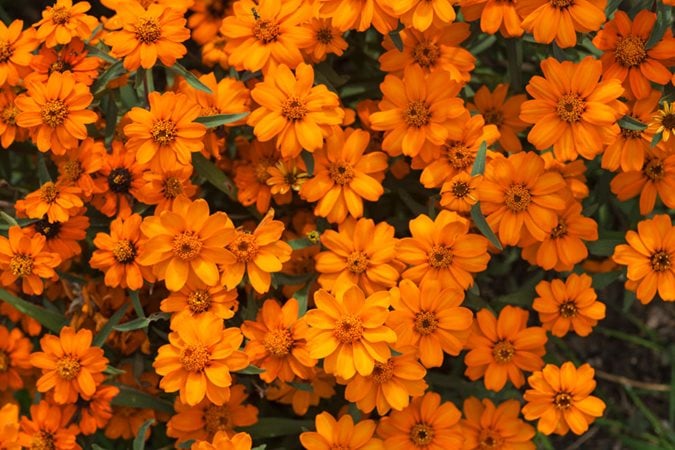
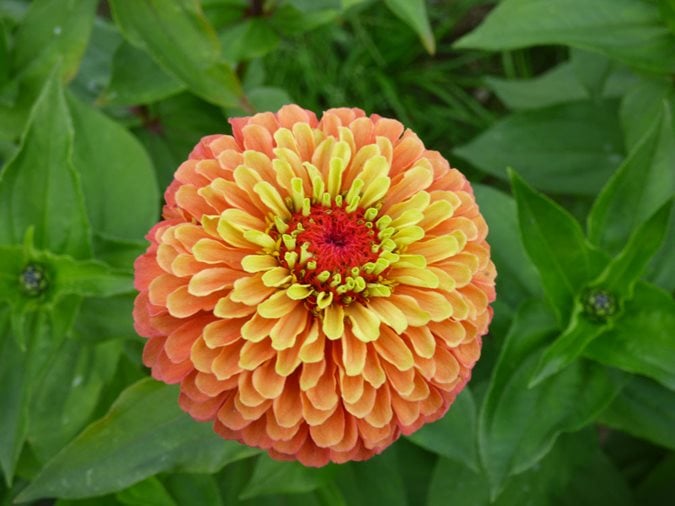
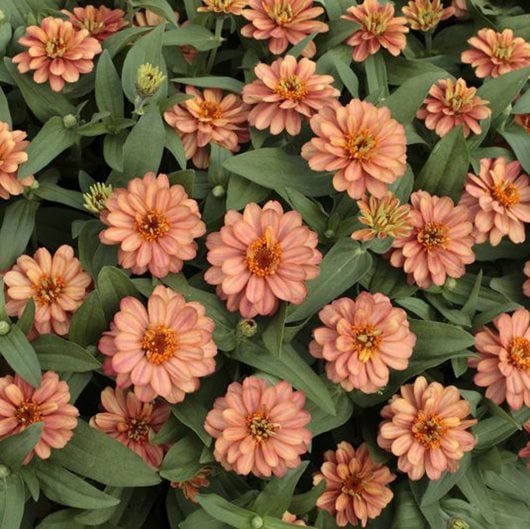
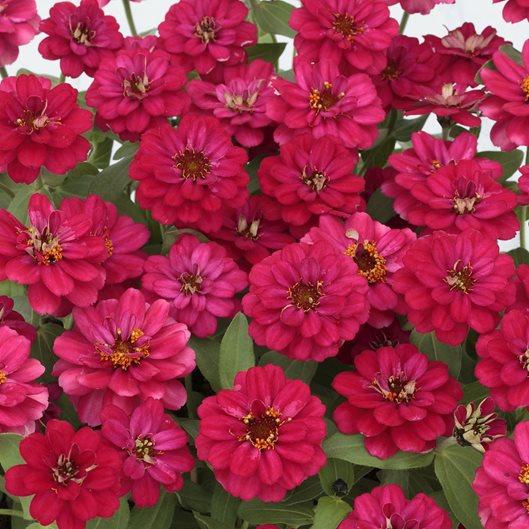
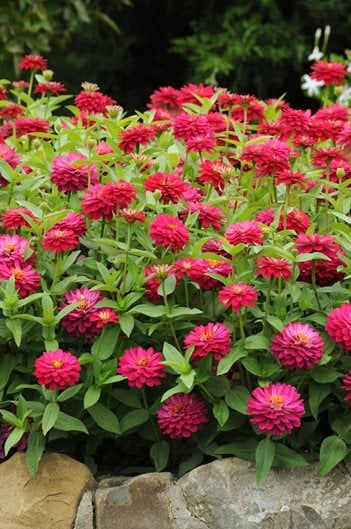
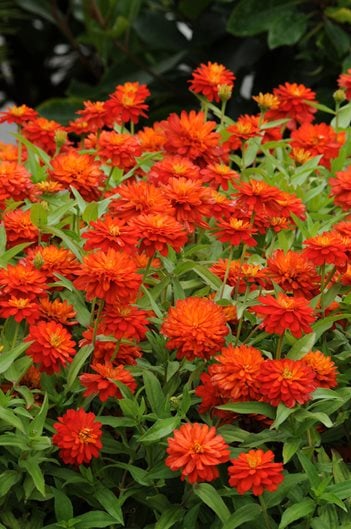
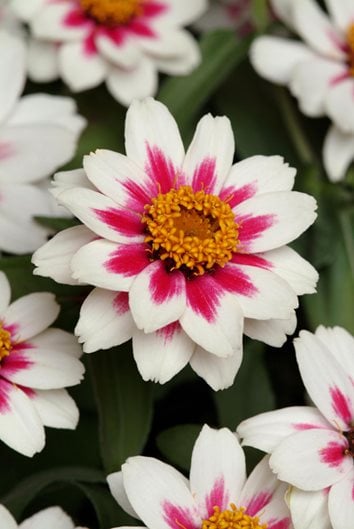
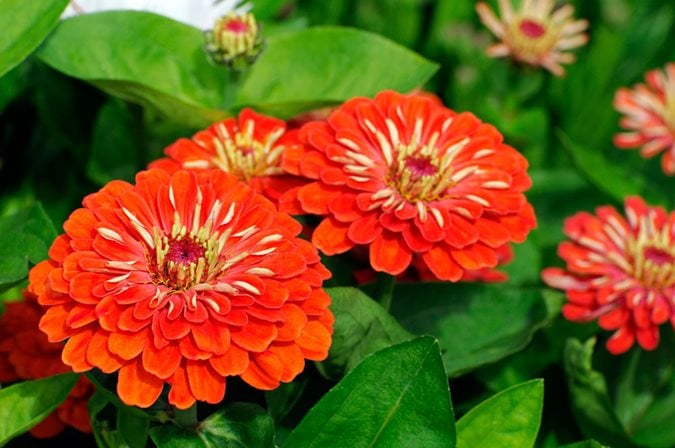
ZINNIAS IN YOUR GARDEN
- Incorporate different varieties in a mixed border for a mixture of heights and colors.
- Use smaller, dwarf varieties in window boxes, along edging, and in containers.
- Plant near patios and walkways to enjoy the butterflies and hummingbirds that will visit.
- Sow seeds in 2- to 3-week increments for blooming flowers spring through fall.
- Long strong stems make them perfect for cut flower arrangements. Cut the stems at an angle above a bud joint and strip the stems of any foliage before placing in water.
Comments
Post a Comment